
1500m
1500m Training: How to Structure Your Season
TR Performance · Coach Travis Mahoney
A 1500m training plan needs a destination. Start with the races that matter, then work backward. The point is not to fit the most workouts into a season. It is to arrive ready to race.
Start with your calendar, not someone else’s week
Mark your priority race, the qualifying rounds and the meets you must attend. Put school, work and travel alongside them. Those commitments affect recovery just as surely as a workout does. A plan that ignores them will look organized on paper and become difficult to execute.
Next, review the training you have actually completed. Consistent recent running is more useful than a personal best from another season when deciding your starting load. A runner returning from a break needs a different entry point from one who has already trained steadily for months.
Foundation: make consistent work repeatable
The opening phase should establish sustainable running and room to recover. Easy aerobic work supports the ability to train regularly. Short, controlled strides can keep faster movement familiar without turning every run into a test.
Keep a simple record of effort, sleep and how your legs feel the next day. If the routine repeatedly leaves you too tired to complete the next session well, adjust the routine before adding more. Foundation is preparation for specific work, not a competition to accumulate mileage.
Specific preparation: connect strength to race rhythm
As key races approach, the training becomes more closely related to the demands of the 1500m. Aerobic work still matters, while selected sessions develop familiarity with race rhythm and running efficiently at higher speed.
Judge repetitions by their purpose and execution, not by whether the last one was the fastest. Recovery between repetitions changes a session’s demand. Changing both pace and recovery because a workout felt easy can create a different workout from the one intended.
Race phase: protect readiness
Races count as demanding days. Do not leave a full training week untouched and add a meet on top. Keep enough familiar faster running to stay sharp while allowing fatigue to fall before the race that matters.
An illustrative week might place a controlled event-specific session early in the week, easy running afterward, a short preparation session before a weekend race, and recovery after it. This is a calendar example, not a prescribed workout week or a reproduction of the PDF. Your race schedule and training history determine the details.
Use a structure you can adjust
TR Performance’s adjustable 54-workout, 3-phase 1500m and mile plan provides a season framework in PDF format. Use the event you are preparing for to choose the plan, and fit its structure around your calendar rather than treating dates as immovable.
If team practices already provide your demanding sessions, talk to your coach before adding another program. Individual coaching is appropriate when you need the season built around your own workload, recovery and goals.
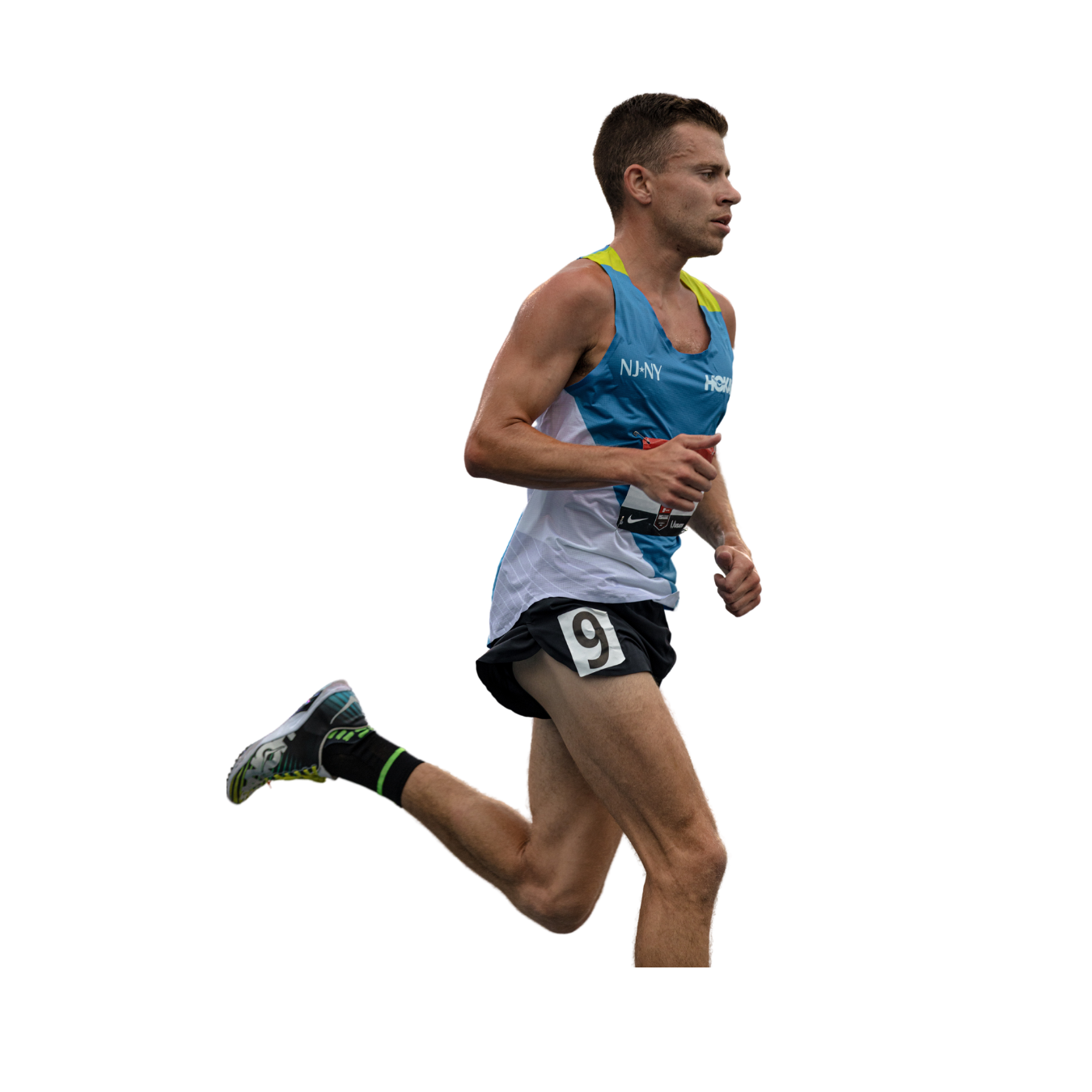
Written by Coach Travis Mahoney
Sub 4 miler (3:57) as an athlete and as a coach · 4x US Olympic Trials qualifier
More about TravisReferences and further reading
General training guidance, not an individual prescription. Coordinate changes with your coach, particularly when combining training with a team program.
Prepare for your event
An adjustable 54-workout, 3-phase plan, or coaching built around your season.