
Training conditions
Heat-Adjusted Threshold Pace Explained
TR Performance · Coach Travis Mahoney
A pace adjustment can help frame a hot-weather workout. It cannot tell you exactly how your body will respond today, and it is not permission to continue a session when you feel unwell.
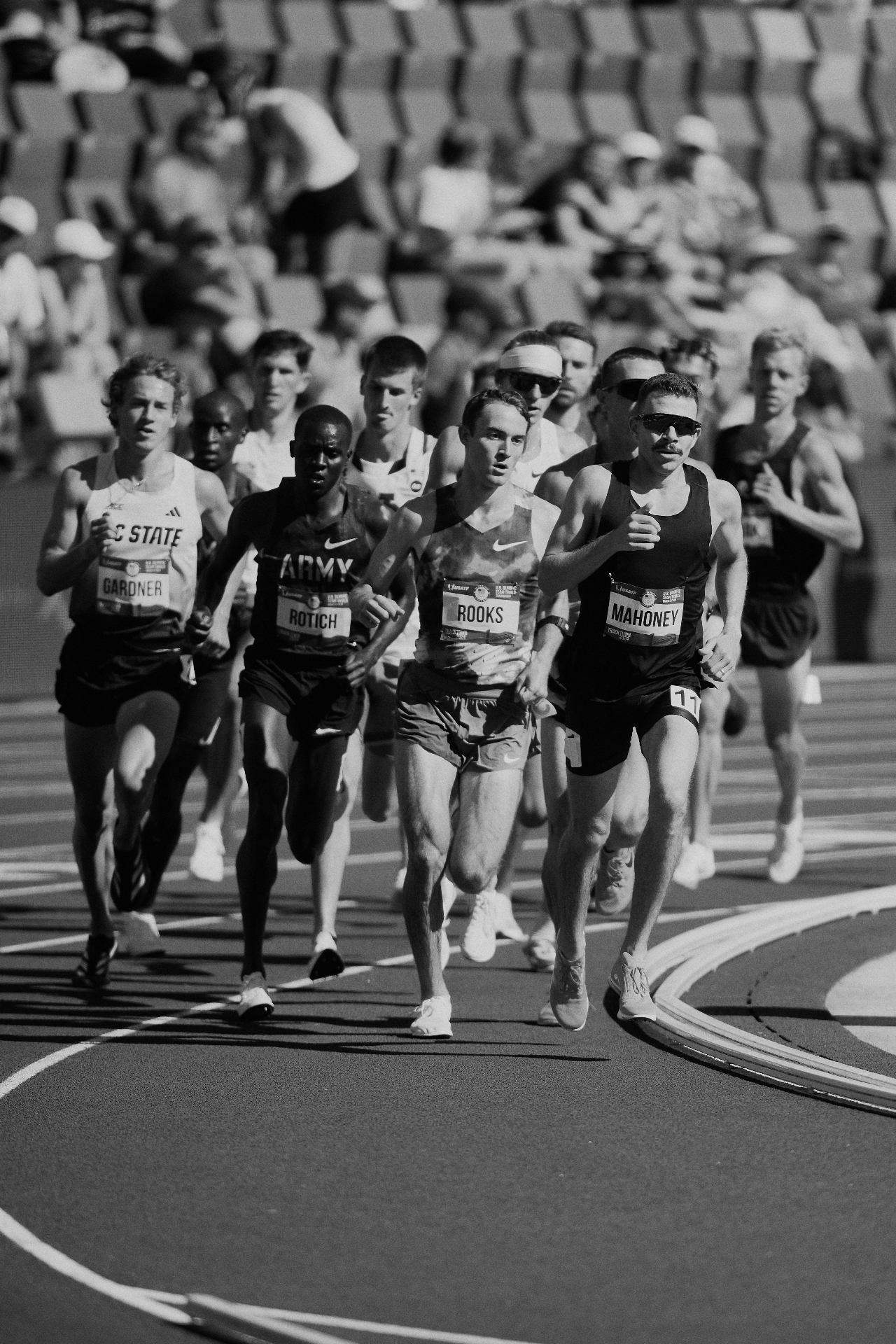
Why the usual pace may feel different
Exercise in heat places additional demands on temperature regulation. Humidity, sun exposure, wind and individual response also matter. The same pace can feel substantially harder in different conditions, so a cool-weather target should not be treated as an instruction to ignore effort.
Acclimation changes the response to heat, but it does not remove the risk. Recent exposure, health, hydration and fatigue all affect the day. No single pace correction accounts perfectly for those factors.
Use the calculator as an estimate
Enter your intended pace and the available conditions in the calculator linked below. Read the output as a starting estimate, then compare it with how the session actually feels. Check that units and weather inputs reflect your location rather than a distant forecast.
The embedded calculator is provided by Laktic Running. Its current underlying formula has not been independently verified here, so this guide does not describe coefficients, claim a particular accuracy or equate its output with a measured physiological threshold.
Threshold effort comes before a fixed split
A threshold-oriented workout should retain its intended controlled aerobic demand. If holding the estimated pace turns the session into racing, slow down, shorten the work or change the session with your coach. A precise-looking number is still an estimate.
Do not add repetitions to compensate for slower splits. Conditions can increase the demand even as speed falls. Keep recovery and the following days in view rather than judging the workout only by the total distance completed at a chosen pace.
Change the setting when necessary
An earlier start, a shaded route or a different training environment may be more useful than a mathematical adjustment. Discuss reducing or moving a demanding workout when the conditions exceed what you are accustomed to. Heat acclimation should be gradual, not a reason to force a hard session.
Stop exercise if you feel unwell. Dizziness, marked weakness or nausea should not be explained away as a pacing problem. Confusion, collapse or altered behavior can indicate an emergency; get urgent help and begin cooling while following local emergency guidance. A calculator is not a heat-safety clearance or medical assessment.
Apply the adjustment within your season
Record the conditions, the effort and any changes you made. That gives you and your coach a better picture than recording only that you missed a target split. It also helps distinguish a sensible adaptation from a workout that was too demanding.
The TR Performance 1500m and mile plan offers an adjustable 54-workout, 3-phase structure. Keep the session’s purpose intact when adapting to heat, and seek individual guidance when you are unsure how conditions should change your workload.

Written by Coach Travis Mahoney
US Olympic Trials qualifier · 13:19 5000m · 12 year professional racing career
More about TravisReferences and further reading
General training guidance, not an individual prescription. Coordinate changes with your coach, particularly when combining training with a team program.
Prepare for your event
An adjustable 54-workout, 3-phase plan, or coaching built around your season.